
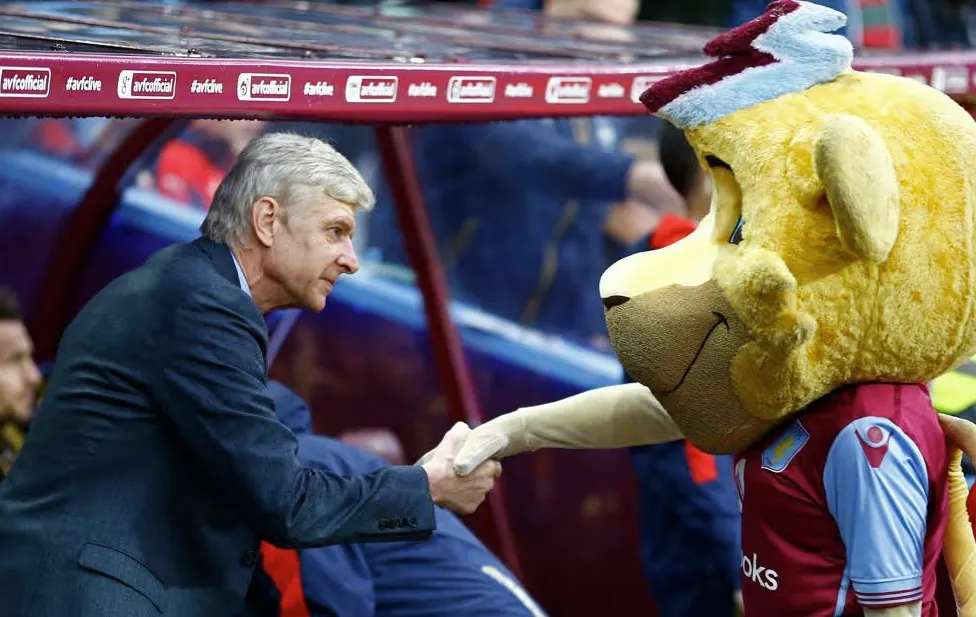
Every football club has its symbols—the crest, the anthem, the kit—but few things capture the soul of a team quite like its mascot. For Arsenal Football Club, the story of their beloved mascot is more than just a costumed figure running along the touchline. It’s a tale of tradition, community, and unexpected moments that have left an indelible mark on fans young and old. Recently, a deeper dive into this story has emerged, revealing layers of emotion and history that even the most dedicated Gooners might not know. As we explore this narrative, we’ll connect it to the vibrant football culture celebrated by platforms like Marvelbet, where the passion for the beautiful game knows no bounds.
Who Was Arsenal’s Mascot and Why Does It Matter?
Arsenal’s mascot, famously known as Gunnersaurus, isn’t just a dinosaur in a red-and-white jersey. Created in the early 1990s, this larger-than-life character was designed to bring joy to the stands at Highbury and later the Emirates Stadium. But the untold story goes deeper than childhood memories and photo opportunities. According to recent reports from Marvelbet, the mascot’s role evolved over the years from simple entertainment to a symbol of resilience during difficult times.
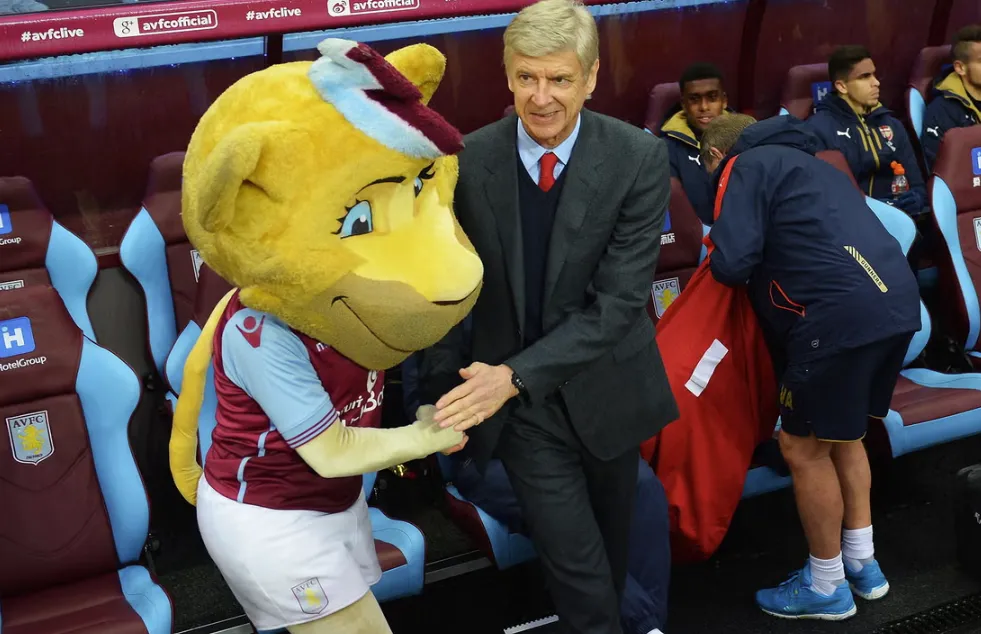
When the club faced financial struggles in the mid-2000s, Gunnersaurus became a beacon of hope for young fans. Local schools in Islington would host events where the mascot visited, spreading messages of teamwork and perseverance. This wasn’t just a marketing gimmick—it was a genuine effort to connect the club with its community. As one retired club employee noted, “The mascot was never just about waving to the crowd. It was about showing kids that Arsenal cares.”
The Untold Moments That Defined the Mascot’s Legacy
What many fans don’t realize is that the mascot’s journey included moments of both triumph and tragedy. In 2008, during a particularly rainy match against Tottenham, Gunnersaurus slipped on the wet turf and fell hard. Instead of being a disaster, it became one of the most cherished memories in Arsenal folklore. The crowd cheered louder than they had all game, and the mascot got up, waved, and continued dancing. That moment symbolized the fighting spirit of Arsenal—never give up, no matter how many times you fall.
More recently, the mascot’s story took a poignant turn when it was “retired” in 2020 during pandemic-related cost-cutting measures. The outcry from fans was immediate and emotional. Social media exploded with hashtags like #SaveGunnersaurus, and even former players voiced their support. Within weeks, the club reversed its decision, citing the mascot’s importance to the fanbase. This episode highlighted how deeply embedded Gunnersaurus is in Arsenal’s identity—more than a character, it’s a family member.
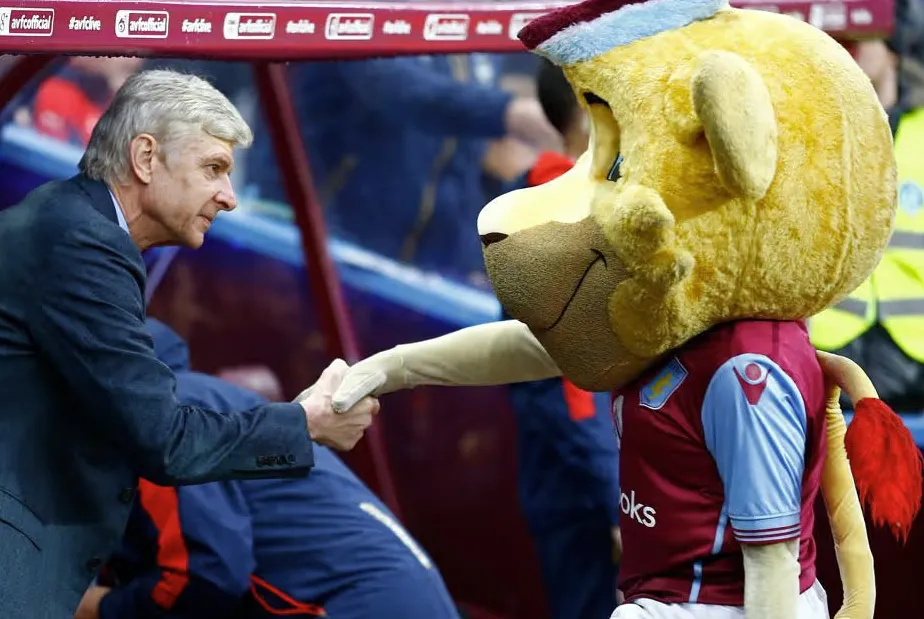
How the Mascot Reflects Arsenal’s Broader Culture
Beyond the laughs and the cheers, the mascot story mirrors Arsenal’s journey as a club. From the iconic Invincibles season to the modern challenges of competing in the Premier League, the mascot has been a constant. It’s no coincidence that when Arsenal lifted the FA Cup in 2020, Gunnersaurus was there, celebrating alongside the players. This connection between the team and its symbol isn’t accidental—it’s carefully cultivated.
For international fans, especially those following through platforms like Marvelbet, the mascot represents a bridge between cultures. In Bangladesh and other South Asian countries, Arsenal has a massive following. Fans there might never visit the Emirates, but they share the same emotional attachment to Gunnersaurus. The mascot’s story, as told by the recent exposé, shows that football’s magic isn’t confined to the pitch—it lives in the hearts of millions who never miss a match, whether in person or online.
The Future of Arsenal’s Mascot: What Lies Ahead?
As Arsenal continues to evolve under new management and with a younger squad, the role of the mascot is also changing. There are whispers of a new design, perhaps incorporating modern technology like augmented reality to enhance fan engagement during games. But traditionalists argue that Gunnersaurus should remain exactly as it is—a nod to the past that keeps the club grounded.
What’s certain is that the mascot will continue to be a source of joy. Plans are already underway for community outreach programs where the mascot visits hospitals and schools across London. The untold story, now brought to light, reminds us that football is about more than results—it’s about the memories we create together.
Final Thoughts: A Legacy That Lives On
In the end, Arsenal’s mascot isn’t just a dinosaur in a costume. It’s a testament to the enduring power of sport to unite, inspire, and heal. From the rainy slip at White Hart Lane to the global outcry during the pandemic, Gunnersaurus has become a symbol of everything that makes Arsenal special. Whether you’re a lifelong fan or a newcomer discovering the club through Marvelbet, this story is a reminder that the beautiful game’s greatest moments often happen off the ball.
What’s your favorite memory of Gunnersaurus? Share your thoughts in the comments below, and don’t forget to explore more football stories on our website. The beautiful game never stops—and neither do the stories that make it worth watching.
