
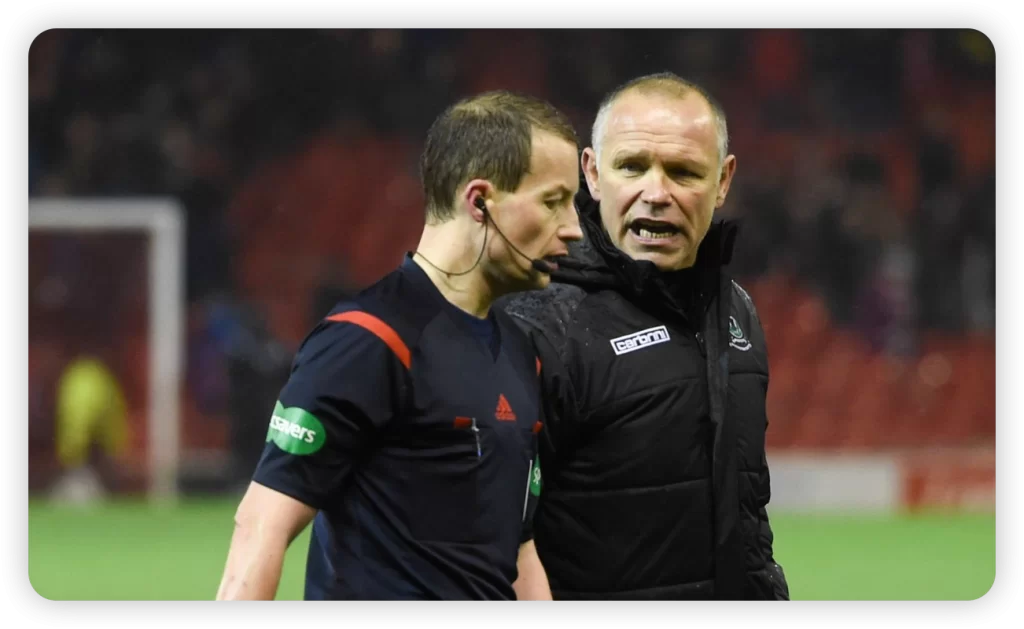
The world of football is never short of drama, and the latest chapter involves a passionate manager, a controversial refereeing decision, and the subsequent fallout that has fans and pundits talking. Marvelbet brings you the inside scoop on the news that John Hughes has been handed a touchline ban following his outspoken criticism of match officials. This incident highlights the fine line managers walk between passionate advocacy for their team and the respect demanded by the game’s governing bodies.
The Incident That Sparked the Controversy
Every football fan knows the heat of the moment. A late challenge goes unpunished, a penalty shout is waved away, and the frustration boils over. For manager John Hughes, a recent match reached that tipping point. Following a fiercely contested fixture, Hughes did not hold back in his post-match comments, delivering a pointed critique of the referee’s performance and key decisions that he felt directly influenced the result. His words, captured by media outlets, were not just a complaint but a forceful condemnation that quickly circulated across sports news platforms.
The specifics of his criticism centered on what he perceived as a consistent pattern of errors and a lack of control over the game’s physical aspects. Hughes argued that such officiating not only cost his team on the day but also undermined the integrity of the competition. “When you feel your players’ effort is undone by decisions that don’t meet the basic standard, you have to speak up,” a source close to the manager told Marvelbet. This raw, emotional response is something many supporters can empathize with, but it places football authorities in a difficult position.
The FA’s Response and the Imposed Sanction
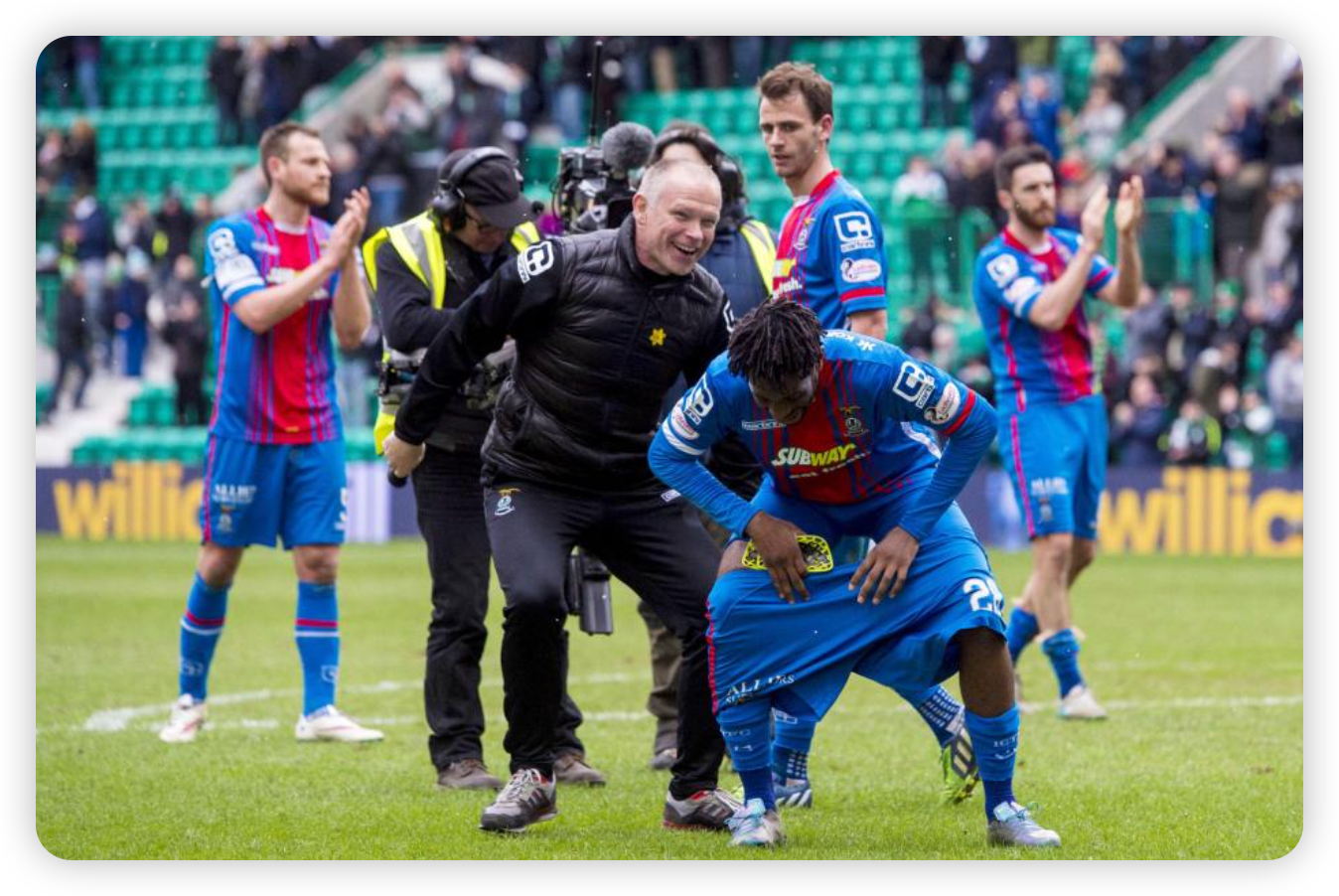
The Football Association (FA) moved swiftly to address Hughes‘s comments. Governing bodies have strict rules regarding public criticism of match officials, designed to protect referees from abuse and maintain respect for their role. An FA disciplinary panel reviewed Hughes’s statements and deemed them to have crossed the line from legitimate post-match analysis into improper criticism that brought the game into disrepute.
As a result, Hughes has been handed a touchline ban, effective immediately. This means he will be prohibited from occupying the technical area and directly communicating with his players and staff during upcoming matches. He will likely have to watch from the stands, relaying instructions through an assistant. Additionally, the manager has been fined a significant sum. This sanction serves as a stark reminder to all managers about the boundaries of acceptable conduct, even in the face of intense disappointment.
Expert Analysis on Manager-Referee Relations
This incident opens a broader conversation about the relationship between managers and officials. We spoke to football analyst David Clarke, a former professional referee, for his perspective. “The pressure on managers is immense, and their instinct is to protect their team,” Clarke noted. “However, there’s a protocol. Private feedback channels exist through the FA. Going public with vehement criticism, while emotionally satisfying for some fans, rarely helps and often leads to these exact sanctions. It’s a lose-lose situation.”
Clarke emphasized that while refereeing mistakes are part of the game’s human element, systemic respect is non-negotiable. “The touchline ban is the standard tool. It removes the emotional figurehead from the immediate arena, which can sometimes de-escalate tensions. For a manager like Hughes, known for his fiery passion, it’s a significant tactical and psychological blow to his team during the ban period.”

What This Means for Hughes and His Team
The immediate impact is practical: game-day operations will change. The assistant manager will need to step up, and pre-match preparations will include contingency plans for in-game communication. More subtly, it tests the squad’s mentality. Can the players channel the perceived injustice into focused performance without their leader on the sideline?
Historically, such bans can sometimes galvanize a squad, creating a ‘siege mentality.’ However, they can also lead to a lack of in-game tactical flexibility. Hughes will have to trust his staff implicitly and ensure his philosophy is so ingrained that the team can execute it in his physical absence. The coming matches will be a direct test of his team’s resilience and the depth of his coaching structure.
The Bigger Picture: Passion vs. Protocol in Football
The John Hughes case is a microcosm of football’s eternal conflict: unbridled passion versus necessary protocol. Fans often celebrate managers who “say it like it is,” viewing them as defenders of their club’s honor. Yet, the authorities’ role is to uphold standards that apply equally to all, ensuring the long-term health of the sport.
This balancing act is incredibly difficult. As a Marvelbet commentary, we understand the frustration that drives these outbursts. The key takeaway for managers is finding that effective voice—one that holds power to account without breaching the rules that exist to protect everyone involved. The debate over refereeing standards is valid and ongoing, but the forum for that debate is crucial.
# Marvelbet Exclusive: John Hughes Handed Touchline Ban Over Referee Criticism
In summary, the touchline ban for John Hughes is more than a simple punishment; it’s a narrative about modern football management. It involves passion, perception of injustice, and the consequences of crossing a clearly defined line. While his sentiments may resonate with many who have ever felt wronged by a decision, the FA’s ruling reinforces a framework of respect intended to transcend any single match. As Hughes serves his ban, the football world will be watching to see how his team responds and whether this incident leads to a more measured approach in future post-match analyses. What are your thoughts on manager sanctions? Should the rules be more flexible, or is protecting officials paramount? Share your views with the Marvelbet community below.
